- 1. Understand Your Target Audience
- 2. Create a Strong Brand Identity
- 3. Choose Colors Carefully
- 4. Keep Your Design Simple and Clear
- 5. Use High-Quality Materials
- 6. Add Unique Finishing Touches
- 7. Make the Unboxing Experience Special
- 8. Tell Your Brand Story Through Packaging
- 9. Consider Sustainable Packaging
- 10. Make Your Packaging Functional
- 11. Make Your Packaging Different
- 12. Test Your Packaging Design
- Conclusion
Packaging Design Tips That Make Your Brand More Memorable
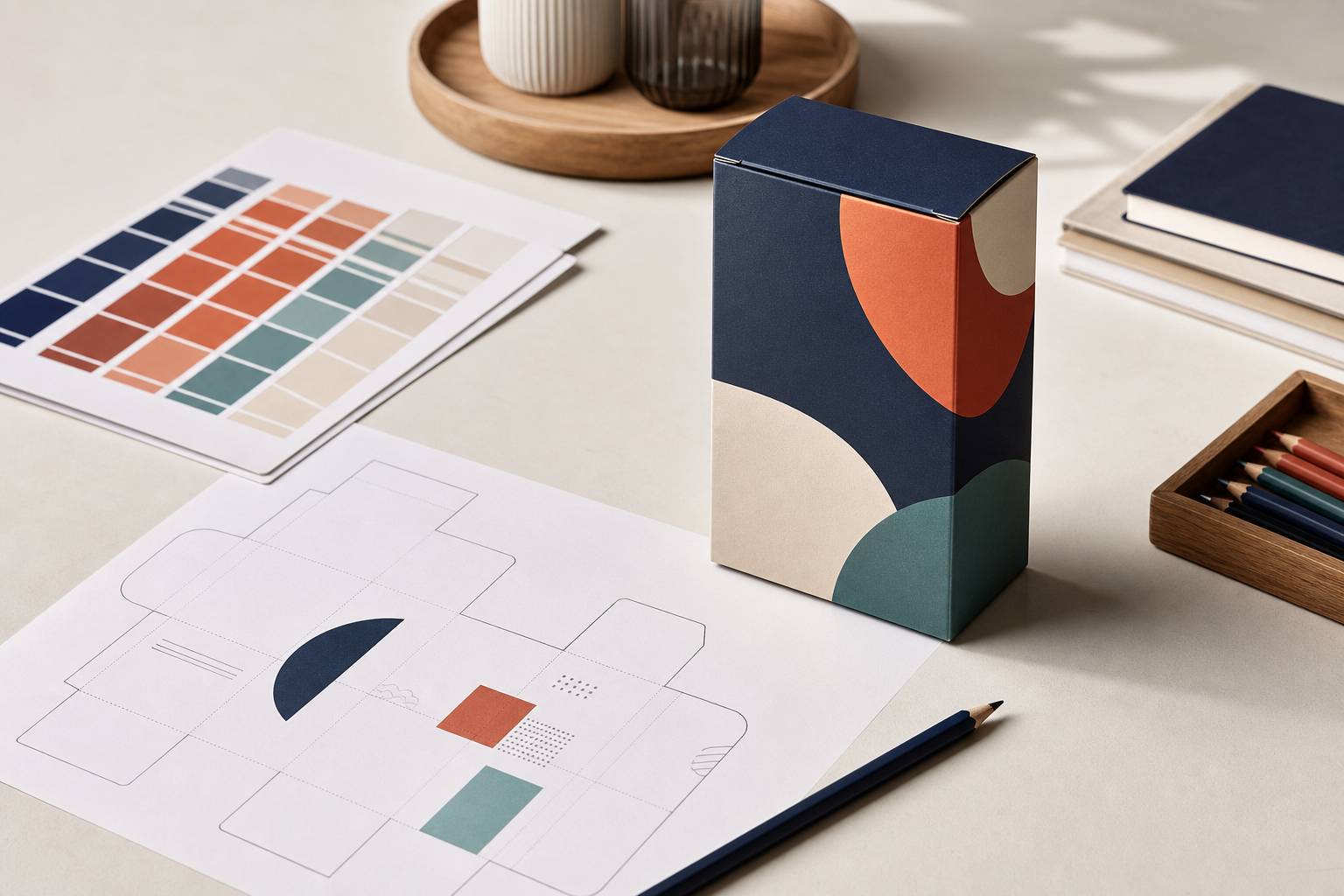
In today's competitive market, packaging is much more than just a protective layer around a product. It is an important part of your brand identity and can strongly influence how customers perceive your business. When shoppers see your product on a shelf or receive an order at their doorstep, your packaging is often the first physical interaction they have with your brand. A well-designed package can create a positive first impression, build trust, and make your product memorable.
Whether you are launching a new product or looking to improve your existing packaging, thoughtful design can help your brand stand out from competitors. From choosing the right colors to creating a unique unboxing experience, every detail matters. Here are some effective packaging design tips that can make your brand more memorable.
1. Understand Your Target Audience
Before designing your packaging, it is important to understand who your customers are. Your packaging should be created with your target audience in mind. Consider their age, lifestyle, preferences, expectations, and purchasing habits.
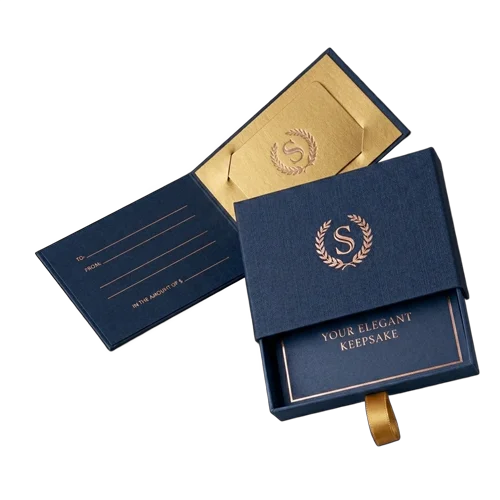
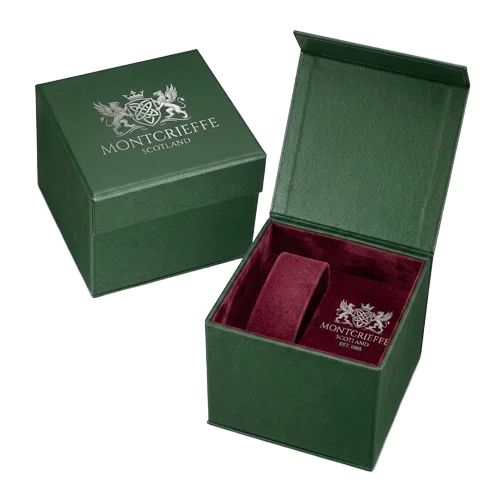
For example, a luxury jewelry brand may benefit from elegant rigid boxes with premium finishes, while a children's product may require bright colors and playful illustrations. Similarly, eco-conscious customers may appreciate recyclable materials and minimal packaging.
When your packaging reflects the interests and expectations of your audience, customers are more likely to connect with your brand.
2. Create a Strong Brand Identity
Memorable packaging starts with a strong and consistent brand identity. Your logo, brand colors, typography, and visual style should work together to create a recognizable appearance.
Customers should be able to identify your brand easily, even before reading the product name. Consistent branding across all packaging helps create familiarity and builds trust over time.
Use the same visual elements across your product boxes, shopping bags, labels, and other marketing materials. This consistency makes your brand look more professional and helps customers remember it.
3. Choose Colors Carefully
Colors have a powerful impact on emotions and purchasing decisions. The colors you choose for your packaging can communicate a specific feeling or personality.
For example, black and gold can create a premium and luxurious appearance, while green is often associated with nature and sustainability. Bright colors may make a product feel energetic, fun, and youthful.
Choose colors that match your brand personality and appeal to your target customers. At the same time, make sure your packaging stands out from competing products without looking confusing or overcrowded.
4. Keep Your Design Simple and Clear
A common mistake in packaging design is trying to include too much information. A cluttered design can make it difficult for customers to understand what the product is and why they should choose it.
A simple and clean design often creates a stronger impression. Make sure important information, such as your brand name and product name, is easy to see.
Use clear typography and maintain enough empty space between design elements. A balanced layout can make your packaging look more professional and premium.
Remember, good packaging should communicate its message quickly. Customers should understand your brand and product at a glance.
5. Use High-Quality Materials
The material of your packaging can influence how customers perceive the value of your product. High-quality materials can make even a simple design feel more premium.
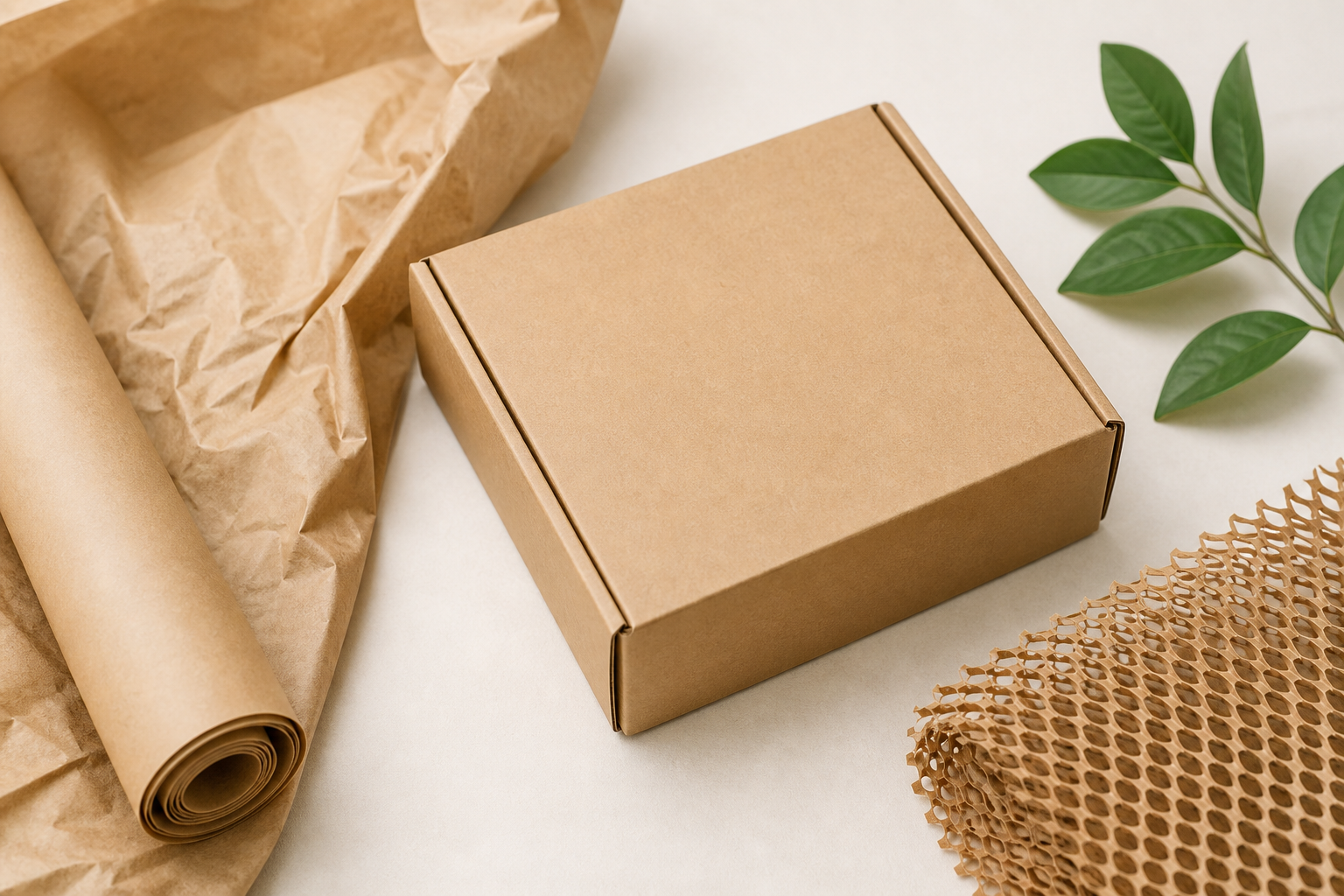
Depending on your product and brand, you can consider materials such as kraft paper, cardboard, corrugated board, or rigid board. For luxury products, rigid boxes with premium finishes can create an elegant presentation.
The right material should not only look attractive but also provide enough protection during storage and transportation. Good packaging combines functionality with visual appeal.
6. Add Unique Finishing Touches
Small details can make a big difference. Special printing and finishing techniques can transform ordinary packaging into something customers remember.
Consider options such as:
- Embossing and debossing
- Foil stamping
- Spot UV
- Matte or glossy finishes
- Custom inserts
- Magnetic closures
- Die-cut designs
These details can add texture, depth, and a premium feel to your packaging. However, it is important to use them strategically. The goal is to enhance your brand identity rather than make the design unnecessarily complicated.
7. Make the Unboxing Experience Special
The unboxing experience has become an important part of modern branding. Customers often share their purchases on social media, which means your packaging can become free marketing for your business.
Think about what customers see when they open your box. You can add custom tissue paper, branded inserts, thank-you cards, stickers, or carefully designed product arrangements.
A memorable unboxing experience can create excitement and encourage customers to share photos and videos online. This can increase brand visibility and help attract new customers.
8. Tell Your Brand Story Through Packaging
Your packaging can communicate more than just product information. It can also tell the story behind your brand.
Use packaging to explain your company's values, mission, or inspiration. If your brand focuses on sustainability, for example, you can highlight your use of environmentally friendly materials.
A short message or meaningful design element can help customers understand what makes your brand different. When customers connect emotionally with your story, they are more likely to remember and support your business.
9. Consider Sustainable Packaging
Sustainability is becoming increasingly important to modern consumers. Many customers now prefer brands that make responsible choices about materials and waste.
Using recyclable, reusable, or biodegradable materials can help reduce environmental impact while also improving your brand image.
You can also reduce unnecessary packaging and choose designs that use materials efficiently. Sustainable packaging does not have to look boring. With the right design, eco-friendly packaging can be attractive, modern, and memorable.
10. Make Your Packaging Functional
Beautiful packaging is valuable, but functionality is equally important. Customers appreciate packaging that is easy to open, store, carry, and reuse.
Think about how customers will interact with your packaging after purchasing the product. Can the box be reused? Is it easy to open without damaging the product? Does it provide enough protection?
Functional packaging improves the customer experience and can encourage people to keep the packaging instead of throwing it away. This gives your brand more opportunities to remain visible in customers' homes or offices.
11. Make Your Packaging Different
Your packaging needs to stand out in a crowded marketplace. Look at what your competitors are doing and identify opportunities to create something different.
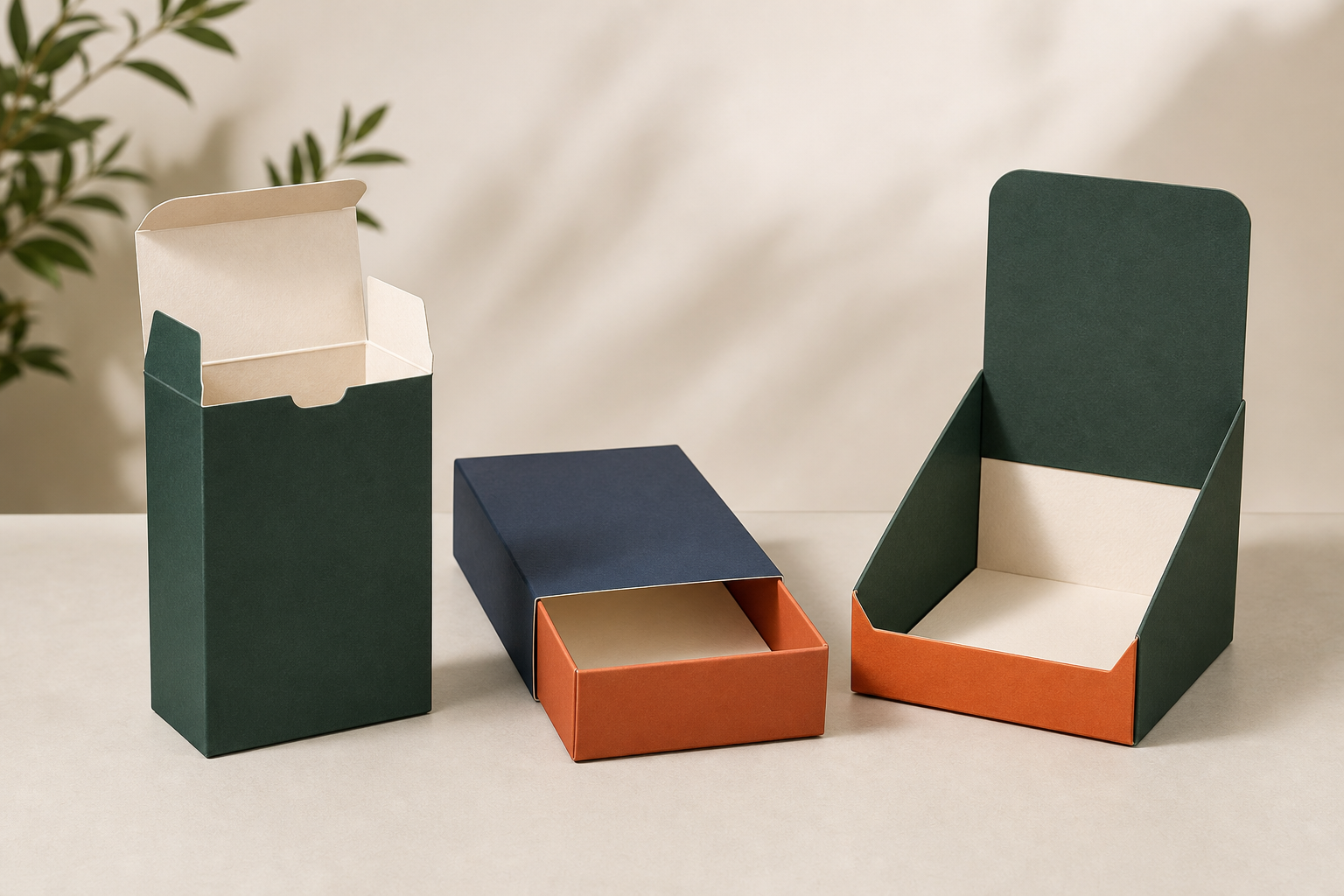
This could be through an unusual box shape, a unique opening mechanism, creative illustrations, or a distinctive color combination.
However, being different does not mean ignoring your brand identity. Your packaging should still clearly communicate who you are and what your product represents.
12. Test Your Packaging Design
Before finalizing your packaging, test your design with real people. Ask potential customers what they notice first, what they think about the brand, and whether they understand the product.
You can also create physical prototypes to check the size, materials, printing quality, and functionality. Testing can help you identify problems before investing in large-scale production.
Sometimes, a design that looks perfect on a computer screen may not have the same impact when printed. Physical testing allows you to make improvements and achieve better results.
Conclusion
Memorable packaging is a combination of creativity, strategy, functionality, and strong branding. From selecting the right colors and materials to creating an exciting unboxing experience, every element of your packaging can influence how customers remember your business.
The best packaging designs do more than protect products. They create emotions, communicate brand values, and give customers a reason to choose one product over another. By understanding your audience, maintaining consistent branding, using quality materials, and focusing on the overall customer experience, you can create packaging that leaves a lasting impression.
Whether you are designing custom boxes, rigid packaging, retail boxes, gift boxes, or product packaging, investing in thoughtful design can help your brand become more recognizable and memorable. In a competitive market, packaging is not simply a container—it is an opportunity to tell your brand story and build a stronger connection with your customers.